
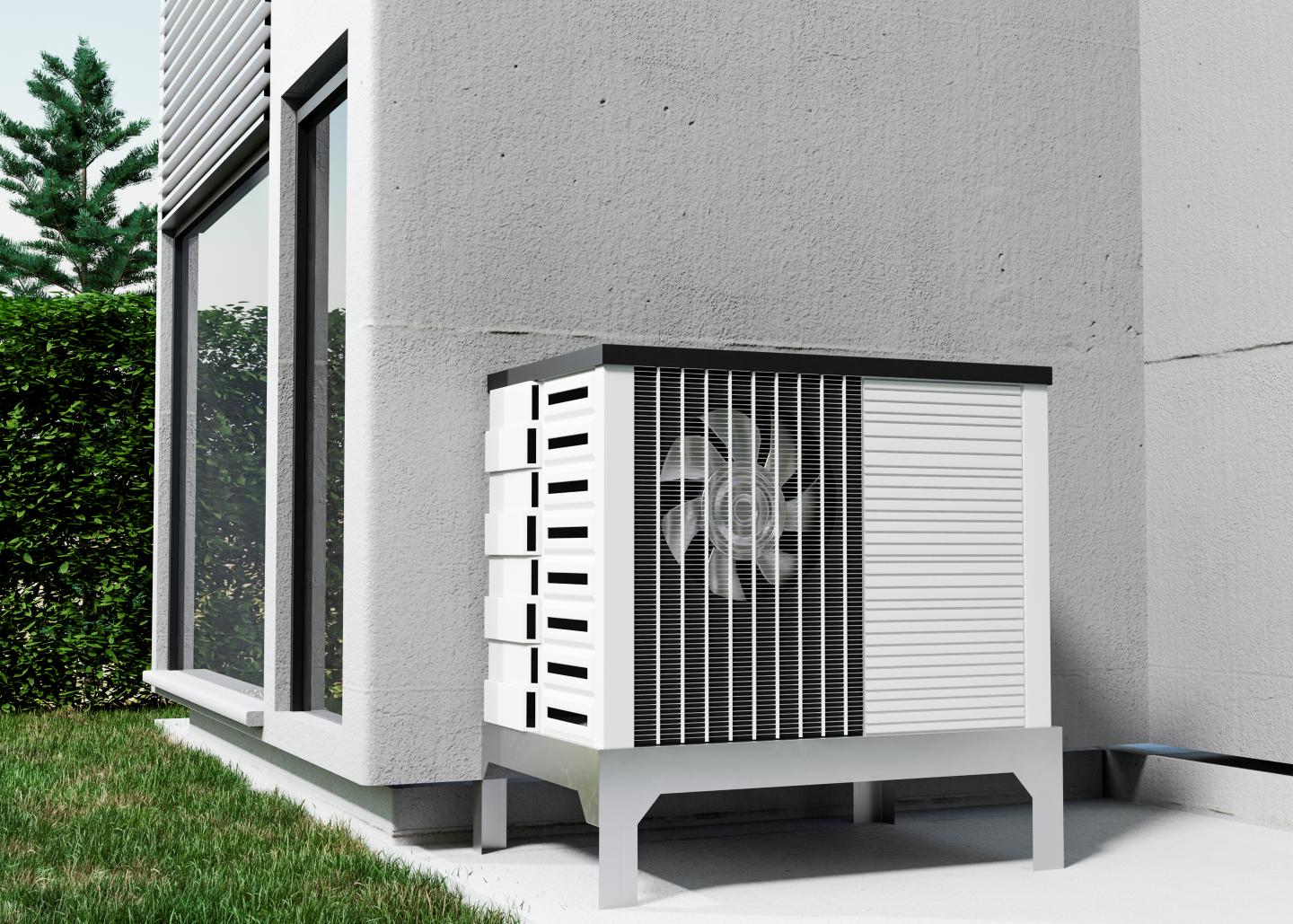
When it is time for a system replacement in Cape Coral, most homeowners assume the choice is simple: buy another air conditioner like the one that just failed. But a heat pump is worth a second look, especially in a climate where winters are mild enough that a heat pump can often handle both heating and cooling without ever needing a backup heat source.
The two systems share most of their components and look nearly identical outside your home. The real difference comes down to one part, a reversing valve, and what that single part means for your comfort and your utility bills the other nine months of the year.
Quick Take
A heat pump and a central air conditioner use the same core technology, but a heat pump can also reverse and provide heat, while a standard AC only cools.
In Southwest Florida’s mild winters, a heat pump can usually handle all your heating needs without a separate furnace or resistance heating.
Heat pumps typically cost more upfront than a standard AC of the same size, but the year round versatility can offset that over time for homes that use both heating and cooling.
What Is the Actual Difference?
A central air conditioner and a heat pump both work by moving heat from one place to another using a refrigerant cycle, rather than generating cold air directly. The mechanical difference is a reversing valve inside the heat pump that lets it run the cycle backward.
In cooling mode, both systems do the same job: pull heat out of your home and release it outside. In heating mode, a heat pump reverses that flow, pulling available heat from the outside air and moving it indoors. A standard AC has no heating mode at all, which is why homes with AC only systems typically pair them with a separate furnace or electric resistance heat strips. If your current AC just needs AC repair rather than a full replacement, sticking with what you have and pairing it with electric heat strips is often the simpler and cheaper path in the short term.
Why Climate Matters for This Decision
Heat pumps are sometimes criticized for struggling in very cold climates, where the outside air has too little heat left to extract efficiently. That is not a concern in Lee, Collier, or Charlotte Counties. Southwest Florida winters rarely dip low enough to challenge a heat pump’s efficiency, which is exactly the condition where a heat pump performs best.
That means a heat pump in Cape Coral can typically provide comfortable heat on the handful of cool nights we get each winter without ever switching over to a less efficient backup heat source, something homeowners in colder states cannot count on.
Comparing the Two Systems
| Factor | Standard Air Conditioner | Heat Pump |
|---|---|---|
| Cooling performance | Same as heat pump | Same as standard AC |
| Heating capability | None (needs separate furnace or heat strips) | Built in, reverses the refrigerant cycle |
| Upfront cost | Lower | Higher, but replaces a second heating system |
| Best fit | Homes with an existing furnace already in good shape | Homes wanting one system for both jobs |
| Southwest Florida climate fit | Works well for cooling only needs | Well suited given our mild winters |
Which One Costs More to Run?
For cooling, the operating cost between a heat pump and a standard AC of the same efficiency rating is essentially identical, since they use the same cooling cycle. The cost difference shows up on the heating side, where a heat pump moves existing heat rather than generating it, so it typically uses meaningfully less electricity than resistance heat strips to produce the same warmth.
For a Cape Coral home that would otherwise pair a standard AC with electric heat strips for the occasional cool night, a heat pump can lower those heating costs without giving up anything on the cooling side.
Is a Heat Pump Worth the Higher Upfront Cost?
This depends mostly on what your home currently has. If you already have a working gas furnace and just need to replace the outdoor AC unit, sticking with a standard AC to pair with your existing furnace is often the simpler and more cost effective choice.
If you are replacing an aging system that pairs AC with electric heat strips, or building out a new system from scratch, a heat pump is worth pricing out. You get a single system handling both jobs instead of two, and Southwest Florida’s mild winters are close to ideal operating conditions for a heat pump’s efficiency. A technician can walk through heat pump installation costs specific to your home before you decide, since the right size and model depend on your square footage and existing ductwork.
How Long Do They Last?
Both systems have a similar expected lifespan, typically 12 to 15 years with regular maintenance, though a heat pump runs more months out of the year since it handles both heating and cooling duty. That extra runtime makes annual maintenance matter a bit more for a heat pump than for a cooling-only AC, since there are simply more operating hours putting wear on the same components.
Frequently Asked Questions
Does a heat pump cool as well as a regular air conditioner?
Yes. In cooling mode, a heat pump and a standard air conditioner use the same refrigerant cycle and perform the same way. The difference only shows up when you need heat.
Can a heat pump handle Florida’s occasional cold snaps?
A heat pump handles Southwest Florida’s mild winters well. Our outdoor temperatures rarely drop low enough to significantly reduce a heat pump’s heating efficiency, unlike in colder climates.
Is switching from AC to a heat pump difficult?
The outdoor and indoor units are replaced much like a standard AC swap. A technician will size the new heat pump for your home and confirm your ductwork and electrical setup are compatible before installation.
Do heat pumps need more maintenance than an AC?
Maintenance needs are similar, though a heat pump does run more months out of the year since it handles both heating and cooling, so routine tune ups matter a bit more to keep it running efficiently.
What happens to a heat pump during a power outage or storm?
Like any electric HVAC system, a heat pump won’t run without power, and a direct lightning strike or surge can damage its electronics. A whole-home surge protector is worth asking about given how common summer storms are in Southwest Florida.
Ready to Get Started?
Not sure whether a heat pump or a standard AC fits your home? Air Conditioning Repair Cape Coral offers free estimates for both across Lee, Collier, and Charlotte Counties.